

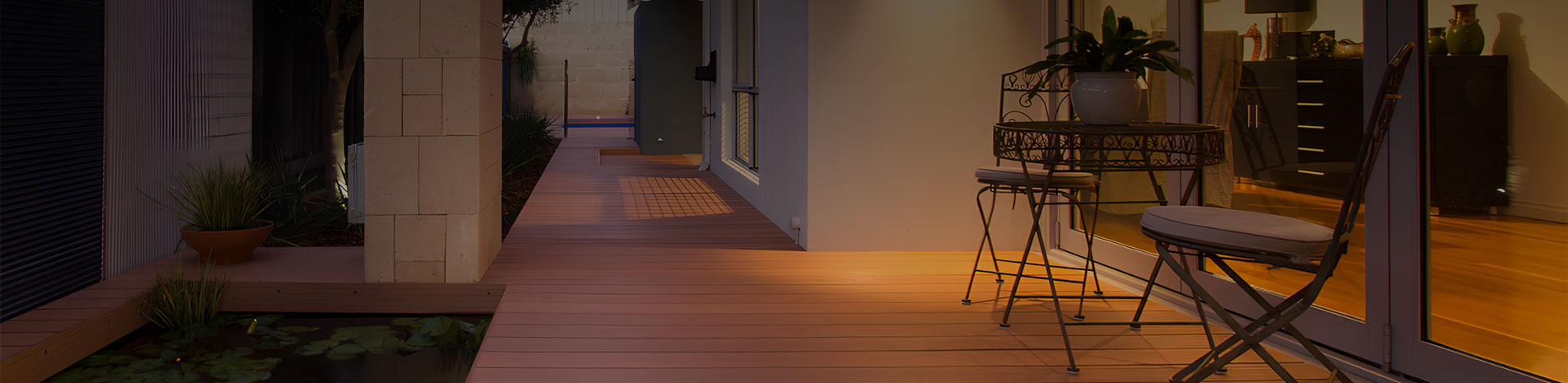
Cómo preparar los exteriores comerciales para el futuro: cómo sobrevivir al calor extremo, al fuego y a los vientos huracanados.

Autor
Con años de experiencia en materiales de construcción para exteriores, me especializo en tecnologías avanzadas de compuestos de madera y plástico (WPC). Mi objetivo es ayudar a arquitectos, contratistas y gerentes de proyecto a comprender las complejidades de las soluciones modernas para terrazas. Al conectar la ingeniería estructural con el diseño sostenible, comparto conocimientos prácticos para garantizar que sus proyectos exteriores alcancen la máxima durabilidad y el mejor retorno de la inversión posible.
Marie R. Winters


Al especificar materiales exteriores para proyectos comerciales, arquitectos y responsables de compras deben evaluar amenazas que van mucho más allá del simple control de la humedad. La envolvente de un edificio está sometida a un ataque constante del medio ambiente: décadas de intensa radiación solar, presiones de viento extremas y el riesgo catastrófico y siempre presente de incendios exteriores. Seleccionar un material para la fachada no es solo una cuestión estética; es un ejercicio fundamental para la mitigación de riesgos a largo plazo.
La madera tradicional, si bien es visualmente atractiva, se degrada químicamente bajo la luz solar y actúa como combustible altamente inflamable. Por otro lado, los plásticos básicos sin refuerzo se vuelven peligrosamente quebradizos y se decoloran de forma irregular en pocas temporadas. Para cumplir con las estrictas exigencias de los códigos de construcción modernos, los promotores recurren cada vez más a compuestos de alta ingeniería. Este informe técnico explora la ciencia de los materiales avanzados que permite que el revestimiento de paredes de WPC de primera calidad resista las condiciones ambientales más extremas, manteniendo al mismo tiempo un estricto cumplimiento de las normas estructurales y de seguridad.
Combatir la fotodegradación: El desafío de la radiación UV
La radiación ultravioleta (UV) es la fuerza más dañina para cualquier fachada comercial. Cuando la madera natural se expone a la luz solar, los rayos UV descomponen la lignina —el polímero orgánico que une las fibras de la madera—, lo que provoca que pierda rápidamente su color y adquiera un tono gris plateado oxidado y envejecido. En los plásticos sintéticos de baja calidad, la radiación UV rompe las cadenas poliméricas, lo que produce un agrietamiento severo, microfisuras y una pérdida total de la resistencia al impacto.
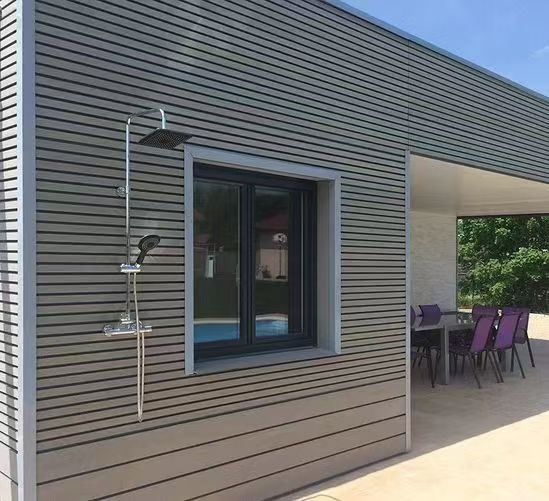
Para combatir esto, los principales fabricantes utilizan la tecnología de coextrusión para producir Revestimiento de pared de WPC resistente a los rayos UVDurante el proceso de fabricación, se extruye simultáneamente un núcleo de polietileno de alta densidad (HDPE) con una avanzada capa protectora de polímero de 360 grados. Esta capa exterior está altamente saturada con inhibidores de rayos UV de grado automotriz, antioxidantes y pigmentos de color inorgánicos. Estos aditivos actúan como un protector solar microscópico, absorbiendo y disipando la energía solar dañina antes de que pueda penetrar el núcleo estructural del material. El resultado es una envolvente arquitectónica que mantiene una coloración rica y altamente estable durante décadas, eliminando por completo el astronómico gasto operativo (OPEX) del repintado y sellado químico semestral.
Retardancia al fuego y cumplimiento de códigos
La seguridad contra incendios es la máxima prioridad en la arquitectura comercial moderna, especialmente en complejos residenciales de alta densidad, instalaciones públicas y edificios de mediana altura. La fachada exterior desempeña un papel fundamental en la prevención de la propagación vertical de las llamas a lo largo del exterior del edificio. Las fachadas de madera natural constituyen una vía continua para el combustible, lo que a menudo requiere tratamientos químicos ignífugos altamente tóxicos, costosos y temporales para superar las inspecciones.
La ingeniería moderna de materiales compuestos aborda este peligro directamente en la etapa de formulación. Al especificar Revestimiento de pared de WPC ignífugoLos desarrolladores obtienen un material que resiste activamente la ignición y la propagación de las llamas. Durante el proceso de composición, las fibras de madera y la matriz polimérica se mezclan con cargas minerales especializadas y retardantes de llama no halogenados. Al exponerse a calor extremo, estos compuestos inician una reacción endotérmica que libera vapor de agua para enfriar la superficie y formar una capa protectora carbonizada que priva al material subyacente de oxígeno. Esta avanzada formulación química permite que los paneles WPC de alta calidad alcancen las estrictas clasificaciones internacionales de resistencia al fuego (como EN 13501 Clase B o ASTM E84 Clase A/B), lo que proporciona un tiempo de evacuación crucial y minimiza los daños estructurales catastróficos.
Gestión de la deflexión estructural y la carga de viento
A medida que los edificios aumentan de altura, o en regiones costeras propensas a condiciones climáticas extremas, la energía cinética ejercida por las cargas de viento se convierte en un importante desafío de ingeniería. Una fachada no solo debe permanecer unida al edificio, sino que también debe resistir una flexión excesiva (deflexión) que puede provocar fatiga en los elementos de fijación, ruido y, eventualmente, cizallamiento del material.
El revestimiento de PVC hueco o de baja densidad a menudo falla bajo fuertes vientos, desprendiéndose de la subestructura. Para garantizar una seguridad física absoluta, los arquitectos comerciales confían en Revestimiento de pared de WPC de alta densidadLa fuerte compresión de las fibras de madera dura reciclada, combinada con resinas termoplásticas robustas, crea un material con una excepcional resistencia a la flexión y rigidez. Cuando se instala correctamente sobre una rejilla de listones comerciales mediante clips ocultos de acero inoxidable, el WPC de alta densidad transfiere eficazmente las cargas dinámicas del viento a la estructura principal del edificio sin romperse ni deformarse permanentemente.
| Riesgo de ingeniería | Madera natural / Reacción básica al PVC | Solución de revestimiento WPC de primera calidad |
|---|---|---|
| Exposición prolongada a los rayos UV | Plateado rápido, degradación de la lignina, formación de tiza en la superficie y microfisuras. | El recubrimiento de polímero con inhibidores de rayos UV garantiza una estabilidad del color y una integridad estructural durante una década. |
| Riesgo de ignición de fuego | Altamente combustible; actúa como combustible vertical, propagando las llamas a lo largo de la estructura del edificio. | Los rellenos minerales y los retardantes crean una capa carbonizada que suprime la propagación de la llama para cumplir con los estrictos códigos comerciales. |
| Cargas de viento dinámicas | Alta deflexión (flexión); los plásticos delgados se rompen, mientras que la madera se astilla bajo la tensión de los sujetadores. | Su núcleo de alta densidad proporciona una resistencia a la flexión extrema, desviando de forma segura la presión del viento. |
| Resistencia al impacto | Es susceptible a sufrir abolladuras graves por granizo, escombros que salen disparados o golpes contundentes a nivel del suelo. | La carcasa rígida coextruida absorbe fácilmente los impactos fuertes sin magullarse ni fracturarse. |
La elección inteligente en materia de compras
El coste real de una fachada comercial se calcula a lo largo de su ciclo de vida operativo de varias décadas. Los materiales que lucen bien en la instalación inicial, pero que carecen de una ingeniería química y estructural robusta, se convierten rápidamente en enormes pasivos financieros. Al exigir materiales compuestos diseñados específicamente para una alta resistencia a los rayos UV, una ignifugación verificable y una alta resistencia al impacto, los promotores inmobiliarios consiguen una fachada que protege activamente a los ocupantes del edificio y maximiza drásticamente la rentabilidad de la inversión a largo plazo.
- Cómo calcular las cantidades de tarimas de WPC para proyectos grandes: cobertura de tablas, desperdicio y accesorios.
- Tarimas de WPC para terrazas en azoteas: Planificación de cargas, drenaje y riesgos de impermeabilización
- ¿Qué documentos técnicos debería solicitar a un fabricante de revestimientos de pared de WPC?
- Cómo mantener la uniformidad del color en el revestimiento de paredes de WPC en proyectos de gran envergadura.
- Cómo calcular las cantidades de revestimiento de pared de WPC: cobertura de paneles, desperdicio de corte y accesorios.
- Revestimiento exterior de WPC para la renovación de edificios: Cómo comprobar los sustratos, las fijaciones y la ventilación.
- Tarimas de WPC para hoteles y complejos turísticos: Cómo elegir los materiales para áreas exteriores
- Tarimas de WPC para proyectos comerciales: Cómo especificar tablas para tráfico y clima